
Healthcare careers no longer follow a straight line, and in 2026 the path from education to hospital work is changing faster than ever. AI in health is driving this shift and creating new jobs.
What once felt like a support tool now shapes how medical work happens, who does it, and where it gets done.
Across the world, clinicians and researchers are stepping into roles that did not exist a few years ago, often working remotely while contributing to advanced healthcare systems.
This shift is not about replacing medical professionals. It is about expanding how their knowledge gets used. Health AI depends on human expertise, and that demand is creating new, well paid job opportunities across several fast growing domains.
AI in Medical Imaging
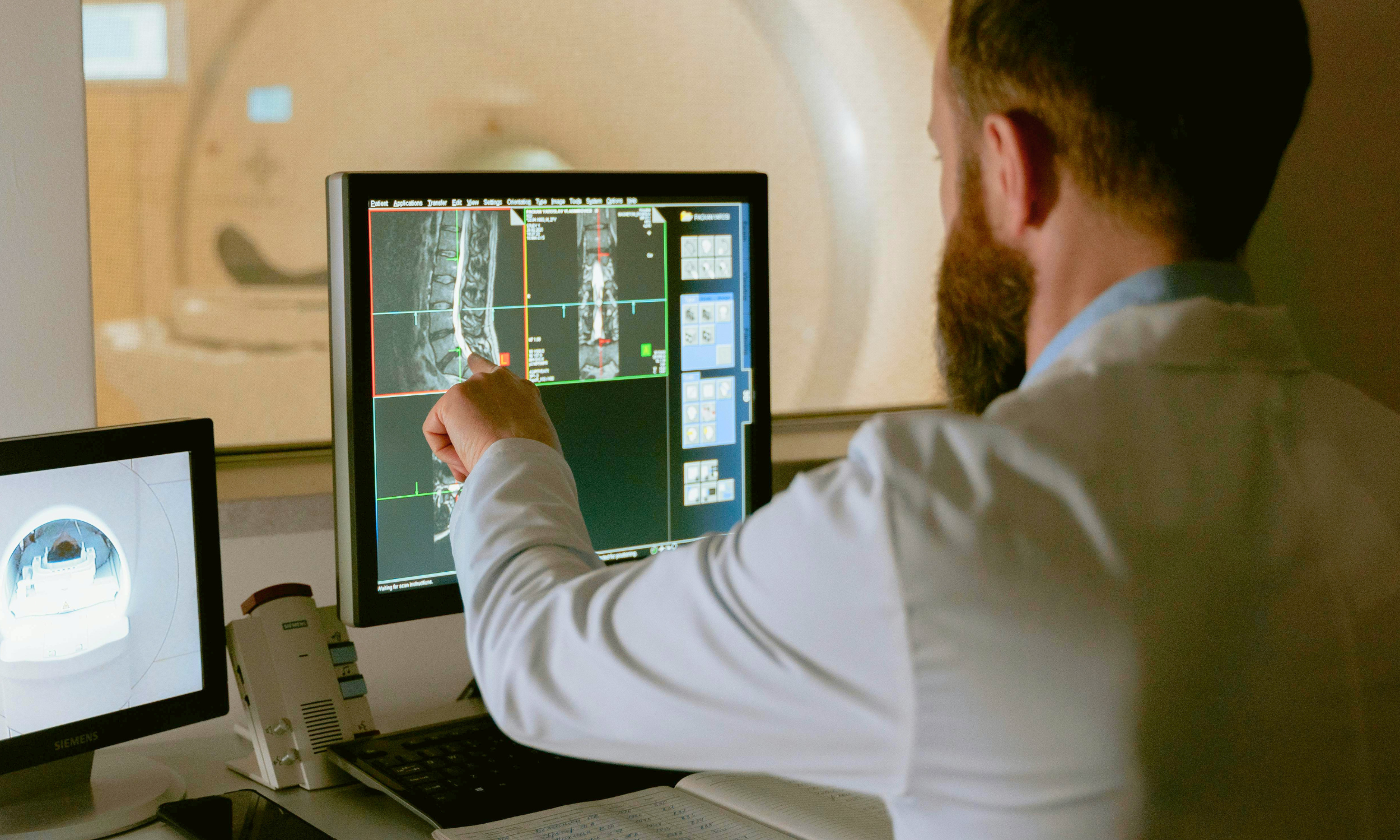
Medical imaging has become one of the most active areas in health AI. These systems learn from thousands of X rays, CT scans, MRIs, and tissue samples to detect patterns linked to disease.
Growth in this space has been rapid, with over 950 AI and machine learning medical devices cleared by the FDA, and about 100 new approvals added each year.
Doctors still make the final call, but AI helps point out problem areas and saves time. These systems cannot work alone, so companies rely on experts who understand medical images in detail.
Radiologists and pathologists often take up freelance roles where they label images, review outputs, and correct errors. The work feels close to routine clinical tasks, yet it adds a new layer through technology.
For someone with experience in diagnostics, this field offers an easy entry into health AI work.
Clinical Language and Documentation
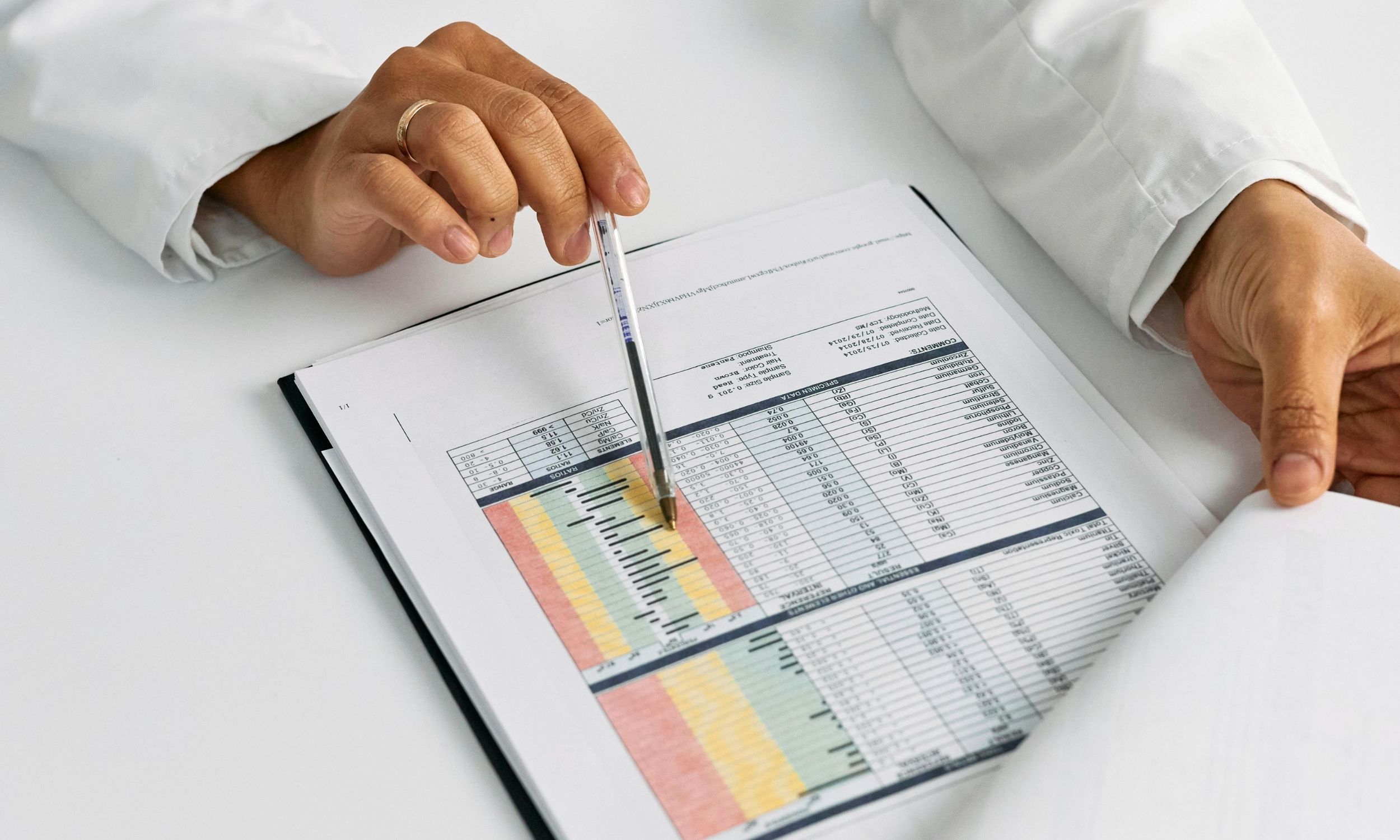
Clinical documentation remains a major part of medical practice, and AI is starting to change how it is handled. Tools can now listen to patient conversations, generate notes, and extract key information from long medical records.
This shift is already visible at scale. The NHS is testing AI documentation tools across multiple settings, and similar efforts are expanding globally.
Doctors spend a lot of time writing notes and updating patient records. AI tools now help by reading and creating medical text. These systems can turn conversations into written notes and pull useful information from long records.
Even with this support, AI still needs human input to stay accurate. Healthcare professionals who understand medical terms can review and improve these outputs.
This work includes checking reports, fixing mistakes, and helping systems understand real clinical language. Many companies invest in these tools, so the demand for skilled professionals stays strong.
AI in Drug Discovery

Drug discovery has always been slow and complex, but AI is starting to change that pace. It can predict how molecules interact, suggest new targets, and refine clinical trial designs.
Major biopharma companies have already formed partnerships focused on AI driven development, aiming to reduce both time and cost.
This progress brings new layers of responsibility. Pharma and biotech companies need experts who understand science as well as regulations.
Regulatory professionals prepare detailed documents explaining how AI contributed to drug development, while clinical researchers review results and ensure safety standards.
Freelance roles often involve writing reports, analyzing trial data, and supporting research teams. For someone with experience in clinical trials or drug safety, this space offers high value work that continues to grow.
Healthcare Data and Analysis

Healthcare creates a large amount of data every day, and this data needs careful analysis to be useful.
AI tools help handle large datasets, but human experts make sense of the results and check accuracy. This is where data scientists, biostatisticians, and researchers become important.
Work in this field includes checking how well AI models perform, studying patient outcomes, and analyzing real world data. Each project focuses on a different problem, which keeps the work interesting and varied.
A 2025 analysis showed that lack of skilled talent remains the biggest barrier to AI adoption in pharma, so demand continues to stay high.
Many hospital networks and pharma companies now offer project based roles for professionals who can combine healthcare knowledge with data skills.
Jobs Reviewing AI-powered Health Apps

Digital health is expanding through wearable devices, telemedicine platforms, and mobile health apps. AI powers many of these systems, but clinical input remains necessary to ensure that products meet real patient needs.
The MHRA launched a national commission in December 2025 to guide how AI in healthcare should be governed.
Many clinicians now work as consultants and help companies build better products and improve user experience. This work can include reviewing app features, checking clinical accuracy, and studying how patients use a product.
Shift in Health AI Careers and Jobs
Health AI is opening new ways to work, and careers in healthcare no longer follow just one path.
Work can now happen from home, across short projects, or in different roles at the same time. Many professionals are exploring options that were not available a few years ago.
AI systems still depend on human knowledge to stay accurate, so the need for subject experts keeps growing.
This makes it a good time for anyone in healthcare or life sciences to try something new. The field keeps expanding, the work stays varied, and there is more freedom to decide how and where to work.
Where to find Health AI Jobs
Platforms like Lifelancer now connect professionals directly with freelance, remote and onsite opportunities in AI, digital health, and related fields.
Whether you’re a radiologist, regulatory writer, or biostatistician, the marketplace for Health AI jobs has never been more active.